

From fermented drinks and innovative textures to stylish cafés becoming community hubs, beverage culture is undergoing a transformation. Oatly’s new "Future of Taste Report" highlights emerging trends that could shape beverage menus in the years ahead. The findings offer valuable insights not only for restaurants and caterers but also for event managers, exhibition organisers and MICE professionals. After all, beverages at trade shows, conferences and corporate events are no longer just a minor catering detail. Innovative drink concepts can become experiences in their own right.
For its second "Future of Taste Report", oat drink manufacturer Oatly analysed more than 200 interviews with baristas, café owners, mixologists and beverage experts across 21 countries. The findings were complemented by quantitative trend data from research institute CultureLab.
The results suggest that consumers in restaurants, bars and cafés are increasingly looking for variety, unexpected flavours and beverages that appeal through both their visual presentation and texture.
Four emerging trends could also provide fresh inspiration for the events industry.
1. Botanicals and Fermentation: Bringing Nature into the Glass
Herbs, flowers and fermented ingredients are gaining importance in beverage innovation. According to the report, 40% of beverage professionals identify herbs and botanicals as the most important flavour trend of the future. Ginger, hibiscus and lavender are among the popular ingredients.
At the same time, 56% of experts consider fermentation one of the most exciting emerging trends. Alongside kombucha, beverages such as tepache, kvass and Turkish şalgam are attracting growing attention.
Lara Sosna of Forkk Studio, Germany, explains: "I believe we will see even more ingredients inspired by nature, fermentation and regionality in the future: herbs, flowers, botanicals, tea, fermented fruits and local ingredients. People are becoming increasingly enthusiastic about flavours that tell a story."
For event catering, this trend opens up opportunities to showcase regional ingredients, introduce unusual flavour combinations and develop distinctive alcohol-free beverage concepts.
Botanical drinks and fermented specialities could also help event organisers create beverage experiences that reflect a destination, a brand identity or the overall theme of an event.
2. Community Over Coffee: The Social Experience Matters
Cafés are increasingly evolving into spaces for social interaction and community building. According to the survey, 51% of beverage experts expect belonging, community and personal connections to play a central role in the future of beverage culture.
Whether through coffee communities or matcha groups, the social experience surrounding a drink is becoming increasingly important.
Chloé Merz, bartender and mixologist at COLLAB Bar in Hamburg, Germany, explains: "Why do people still go out for coffee when they can make it at home? Because they want to be with other people and connect with one another. That’s what it’s all about."
The same principle applies to trade shows, conferences and other business events. A coffee bar can be much more than a place to pick up refreshments. When thoughtfully designed, it can become a dedicated meeting point that encourages networking, conversations and spontaneous encounters.
Attractive plaza-style, marketplace-inspired and bistro concepts are already popular in event design. Integrating a well-designed coffee or beverage experience into these environments can help transform traditional catering areas into welcoming social hubs.
For event planners, the opportunity lies in treating beverage spaces not simply as service points but as integral elements of the event’s networking and engagement strategy.
3. Beyond Coffee: New Drinks Are Entering the Menu
Traditional coffee beverages are facing growing competition from alternative drink concepts. In Oatly’s research, 82% of the baristas and café owners surveyed mentioned beverages beyond coffee and tea.
One particularly notable example is ube, a purple yam-based ingredient often associated with so-called "purple coffee", although the drink does not necessarily contain coffee. Ube was mentioned twice as frequently as flat whites or cappuccinos.
Refreshers, botanical sodas, fermented beverages and drinks featuring coconut or hibiscus are also attracting increasing attention.
"We now sell more hydration drinks than any other beverage category," says Flo Thomas of Batch Baby, an award-winning speciality coffee shop in London, UK.
For event caterers and organisers, these developments highlight the potential of a more diverse alcohol-free drinks menu. Instead of relying exclusively on water, conventional soft drinks and classic coffee options, event catering concepts could incorporate customised signature drinks, innovative refreshers and creative beverage combinations. Such concepts can also be tailored to individual events, brands or target audiences, adding a distinctive element to the overall catering experience.
4. The Texture Boom: Drinks Become Multisensory Experiences
Taste is no longer the only factor shaping the appeal of a beverage. Texture and mouthfeel are becoming increasingly important. According to the report, 72% of beverage experts consider mouthfeel almost as important as taste. Jellies, foams, fruit pieces, carbonation and layered beverages are creating new sensory experiences that go beyond traditional drink preparation.
Chloé Merz observes: "I’m seeing more and more layered coffee drinks. Especially in summer, tonic and foam come into play – it’s almost moving towards cocktails, just without the alcohol."
Visual presentation is another key factor. According to the research, 37% of experts consider appearance a decisive element in a beverage’s appeal. Interest in coffee jelly is also increasing. Google searches for the topic have risen by 90% compared with the previous year.
For experience-driven events, innovative textures and visually striking drinks offer considerable creative potential. Live beverage preparation, unexpected ingredient combinations and drinks featuring distinctive layers, colours or textures can turn a simple refreshment into a memorable moment. For exhibitions, corporate events and brand experiences, such concepts could become part of the event’s overall creative staging rather than remaining a conventional catering service.
EventMasterBook Commentary: Treat Beverage Concepts as Experiences in Their Own Right
Beverages at events are no longer merely a catering detail. They can play an active role in shaping the overall event experience. Oatly’s "Future of Taste Report" illustrates how expectations surrounding flavour, presentation, enjoyment and the social context of beverage consumption are changing.
For event managers, exhibition organisers and MICE professionals, this suggests that beverage concepts deserve greater attention as a distinct experiential element within event planning.
However, event planners and caterers do not necessarily need to embrace every emerging trend. What matters most is developing a beverage concept that fits the character of the event and meets the preferences of its target audience.
When drinks are treated not simply as refreshments or accompaniments to food, but as carefully designed experiences, they can create additional opportunities for engagement, interaction and conversation.
Whether through botanical signature drinks, interactive coffee bars, regional specialities or visually striking alcohol-free creations, innovative beverage concepts can contribute to memorable event experiences and genuine social media-worthy moments.
For the international events industry, the message is clear: the future of event catering may increasingly be shaped not only by what guests eat, but also by what they drink – and how they experience it.
Data Sources: Oatly, second "Future of Taste Report", October 2026. Research based on 285 baristas surveyed across 21 countries, supplemented by CultureLab Navigate data 2026.
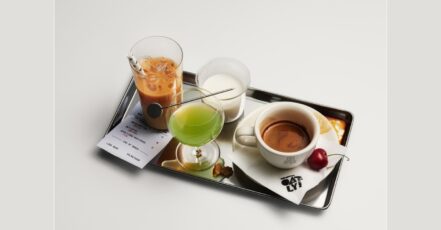
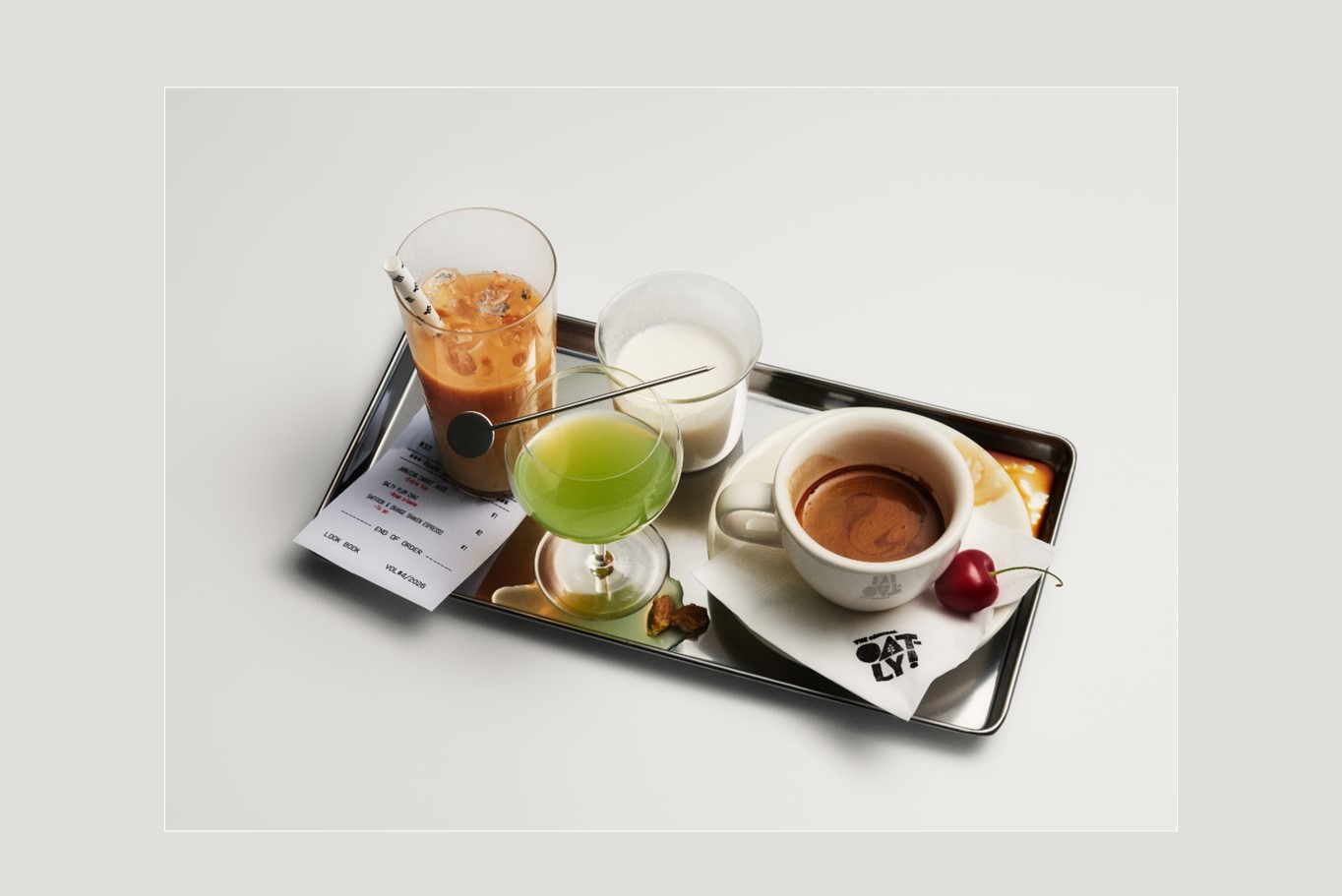
Cover Image: The Future in a Glass, visual (Source / Copyright: Oatly Germany GmbH)
Related Topics:
beverage trends 2026, event catering trends, beverage trends for events, future of event catering, Oatly Future of Taste Report, MICE industry, event management, exhibition catering, trade show catering, corporate event catering, innovative beverage concepts, alcohol-free drinks, non-alcoholic beverages, botanical drinks, fermented beverages, signature drinks for events, coffee bar concepts, event networking, community cafés, experiential catering, beverage innovation, coffee trends 2026, coffee jelly, beverage textures, multisensory experiences, event hospitality, sustainable beverage concepts, event experience design, event planners
Summary (Abstract):
Oatly’s latest "Future of Taste Report" highlights four beverage trends with potential implications for the international events industry. From botanical ingredients and fermented drinks to innovative textures and community-focused coffee concepts, the report reveals changing consumer expectations. EventMasterBook explores how event planners, exhibition organisers and MICE professionals can turn creative beverage concepts into memorable experiences, networking opportunities and engaging moments at events.
Originally published on EventMasterBook.de | Translated and edited for EventMasterBook.com. Please excuse any translation errors. Read the original article (German): Die Zukunft im Glas – Vier Getränketrends, die auch die Eventbranche verändern könnten


