

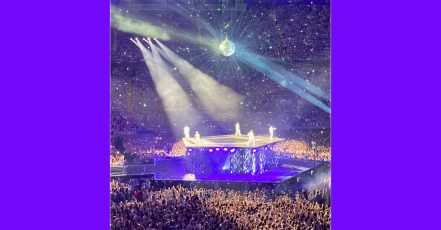
With their exclusive concert residency at Düsseldorf’s Merkur Spiel-Arena, titled "Into The Millennium – Homecoming: Live in Germany", the Backstreet Boys set new benchmarks for live entertainment in late September and early October 2026. As the band’s only European destination of the year, Düsseldorf became an international fan hotspot for nearly two weeks. EventMasterBook.com examines the marketing strategy behind this record-breaking event and the key lessons it offers event professionals.
When the Backstreet Boys, one of the most successful boy bands in music history, return to Germany for an exclusive residency, the impact extends far beyond the concert industry. The scale of the Düsseldorf event speaks for itself: From September 25 to October 7, 2026, the Merkur Spiel-Arena became an exclusive destination for fans travelling from across Europe, the United States, South America and Australia.
Due to overwhelming demand, the originally scheduled concerts proved insufficient. Additional dates were announced in stages, eventually bringing the residency to a total of ten shows. More than 400,000 tickets were sold, including numerous VIP packages and hospitality tickets.
The Marketing Formula Behind the Success: A Strong Product Meets Consumer Psychology
At the heart of this extraordinary demand was, first and foremost, an outstanding entertainment product. More than 30 years after their formation in 1993, the Backstreet Boys continue to command a substantial international fan base. Their enduring star appeal, approachable personalities and strong emotional connection with audiences remain powerful commercial assets.
Even the most sophisticated marketing campaign cannot compensate for a weak product. In Düsseldorf, the five band members themselves were undoubtedly the main attraction. However, the carefully designed marketing strategy surrounding the residency significantly amplified its commercial success.
Ticketing Strategy: Turning Presales into a Powerful Demand Driver
The overall fan experience began long before the Backstreet Boys took the stage, with a precisely coordinated ticketing strategy. To manage extraordinary demand while rewarding loyal followers, the organisers relied heavily on exclusive presale phases. Members of the official fan club, BSB ARMY, received personalised presale codes, while other interested buyers were required to register in advance for the official Artist Presale.
This approach created a sense of exclusivity and belonging, reinforcing a simple psychological message: You are part of the community. Even before general ticket sales opened, the registration and presale system had generated considerable anticipation and demand. This mechanism helped establish the commercial foundation for gradually expanding the residency to ten arena performances.
For event organisers, the strategy illustrates how carefully structured ticketing can serve not only as a sales channel but also as an effective instrument for community engagement, audience segmentation and demand generation.
Four Key Pillars of the Event Marketing Campaign: Where Emotion Meets Strategy
The success of the Düsseldorf residency was no coincidence. It resulted from a carefully orchestrated combination of live entertainment marketing, destination strategy and consumer psychology. Four strategic elements played a particularly important role.
1. Emotional Storytelling: The Homecoming Narrative
The band’s return to Germany was deliberately positioned not as another stop on an international tour, but as an emotional homecoming. Germany played an important role in the Backstreet Boys' early international breakthrough, before their global success reached new heights during the late 1990s and the "Millennium" era. The central message — "Deutschland hat an uns geglaubt, bevor es der Rest der Welt tat" ("Germany believed in us before the rest of the world did") — reinforced a powerful sense of shared history, gratitude and emotional loyalty. Rather than relying on nostalgia alone, the campaign transformed this connection into a compelling event narrative.
The result was an exceptionally emotional atmosphere, both in the arena and throughout the wider fan community. Importantly, the band’s expressions of appreciation appeared authentic. From an editorial perspective, the five members convincingly communicated that their connection with Germany was genuine.
For event professionals, this demonstrates the commercial and emotional value of authentic storytelling, particularly when a brand or artist can build on an established relationship with its audience.
2. Exclusive Residency: Creating Urgency Through FOMO
By selecting Düsseldorf as their only European concert destination in 2026, the Backstreet Boys departed from the traditional multi-city touring model. Instead of bringing the show to audiences across Europe, the strategy encouraged European and international audiences to travel to a single destination.
This geographical exclusivity created a powerful sense of Fear of Missing Out (FOMO). For fans, attending the residency became more than an opportunity to see a concert. It represented participation in a limited-time event that could not easily be experienced elsewhere.
The approach also created a concentrated international visitor flow, positioning Düsseldorf as a temporary hub for global fan tourism.
From an event marketing perspective, the residency model demonstrates how scarcity, exclusivity and destination concentration can significantly enhance an event’s perceived value.
3. Nostalgia Marketing: Reconnecting with a Generation
The residency also provides a compelling example of contemporary nostalgia marketing. Rather than simply recreating the past, the production translated the emotional experiences of the Millennial generation — school years, first love, adolescence and formative musical memories — into a sophisticated, modern live entertainment format.
The concept was specifically aligned with an audience that had grown up with the Backstreet Boys and now possesses different expectations, purchasing power and lifestyle preferences. High-quality production, emotional storytelling and premium experience options helped bridge the gap between teenage memories and contemporary entertainment expectations.
The strategic lesson is clear: Nostalgia becomes particularly effective when familiar emotional associations are combined with modern production standards and audience-oriented experience design.
4. Gig-Tripping and Destination Activation: Düsseldorf as a "City of Live"
The marketing campaign extended well beyond the arena itself. Promoter Live Nation, together with the City of Düsseldorf and its destination and event organisations — D. LIVE, Visit Düsseldorf and Düsseldorf Marketing — developed an extensive city-wide activation programme under the umbrella concept "City of Live".
For approximately two weeks, Düsseldorf transformed into an international fan destination. Digital advertising screens, pop-up stores in the historic Old Town offering exclusive vinyl releases, fan meeting points along the Rhine and dedicated hotel packages created an integrated visitor experience. Additional premium travel and hospitality offerings, including collaborations with Vibee, complemented the overall concept.
The approach reflected the growing trend of "gig-tripping", in which fans combine attendance at concerts or major entertainment events with city breaks and travel experiences. Rather than focusing exclusively on the concert venue, the organisers integrated the wider destination into the event experience.
The economic impact was noticeable. Hotel occupancy temporarily exceeded 94%, while Düsseldorf also became a focal point for user-generated content (UGC) on platforms such as TikTok and Instagram. The city’s public spaces, hospitality sector and tourism infrastructure effectively became extensions of the event itself. For destination management organisations, convention and visitors bureaus, venue operators and MICE professionals, the Düsseldorf example highlights the potential of coordinated destination activation.
It demonstrates how major entertainment events can generate additional value through tourism, hospitality, local business engagement and international destination visibility.
What Event Professionals Can Learn from the Düsseldorf Residency
Taken together, the Backstreet Boys' Düsseldorf residency in 2026 illustrates a fundamental shift in modern event marketing. The focus is moving beyond the transaction of selling a ticket towards creating a time-limited, emotionally engaging community and travel experience. In this model, the artist, the host destination and the fan community become interconnected components of a larger event ecosystem.
The commercial success is therefore not driven by ticketing alone, but by the combined impact of emotional storytelling, carefully managed demand, exclusivity, premium experiences and destination-wide activation.
For international event organisers, venue managers and MICE decision-makers, this represents a valuable case study in how live entertainment can be transformed into a comprehensive experience platform.
Editorial Conclusion: Backstreet’s Back … and the Fan Experience Is XXL!
Our editorial team attended the Düsseldorf residency in person, experiencing the show live from the arena’s hospitality area. What we experienced was far more than a series of concerts.
Together with promoter Live Nation and the City of Düsseldorf, the Backstreet Boys demonstrated how contemporary live entertainment can work in an era increasingly shaped by gig-tripping, experience-driven travel and emotionally connected fan communities.
Instead of delivering a conventional concert tour, the partners created a carefully timed and emotionally engaging experience that brought together fans from different generations and established new benchmarks for arena residencies in Europe.
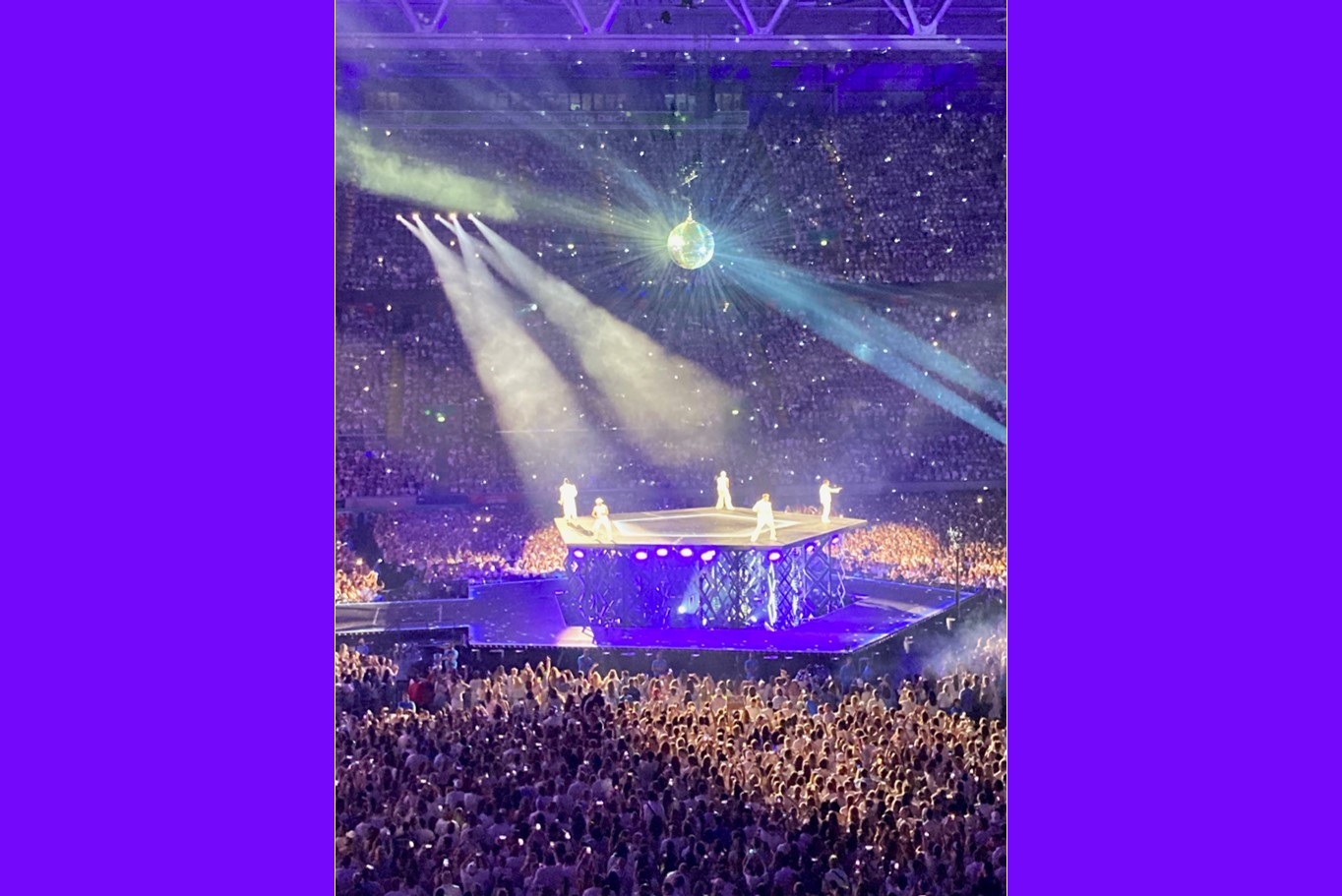
One particularly memorable aspect was the audience itself. Fans celebrated enthusiastically yet peacefully, with many dressed predominantly in white with light-blue accents. The coordinated appearance created an impressive visual atmosphere throughout the arena — one that even visibly impressed the performers on stage. This collective participation reinforced the feeling of being part of something truly special.
For many attendees, the experience represented a genuine "Once-in-a-Lifetime-Moment" — a unique combination of music, shared memories, community and destination that would be difficult to replicate.
From the perspective of EventMasterBook.com’s editorial team, the Düsseldorf residency deserves recognition not only for its commercial achievements but also for its successful integration of fan engagement, live experience design and destination marketing. An outstanding example of event marketing and an exceptionally well-executed fan experience.
The Show Goes On: Backstreet Boys Expand Toronto Series to 11 Concerts in 2027
The Düsseldorf residency concluded with its grand finale on October 7, 2026, bringing an extraordinary series of ten concerts to a successful close. In the final days leading up to the last performance, regular tickets had already sold out. Official ticket allocations on platforms such as Eventim were completely exhausted, leaving last-minute fans with only limited opportunities through official fan-to-fan resale platforms.
For those who missed the Düsseldorf shows, however, the next opportunity was already on the horizon. Organisers had initially announced four Backstreet Boys concerts in Toronto, Canada, for February 2027. Following overwhelming demand, the concert series was subsequently expanded to an impressive 11 shows.
Cover image: Backstreet Boys concert, Düsseldorf 2026. Photo / Copyright: EventMasterBook.de editorial team (mm), photographed live on location from the hospitality area.
Related topics:
Backstreet Boys Düsseldorf 2026, Backstreet Boys residency, event marketing strategy, live entertainment marketing, Merkur Spiel-Arena, Live Nation, gig-tripping, destination marketing, concert tourism, fan engagement, nostalgia marketing, FOMO marketing, event ticketing strategy, VIP hospitality, arena residency, Düsseldorf City of Live, experiential marketing, MICE industry, event management, concert promotion, fan experience, tourism activation, event industry best practices, EventMasterBook
Summary (Abstract):
The Backstreet Boys' exclusive Düsseldorf residency in 2026 attracted international fans and sold more than 400,000 tickets across ten shows. EventMasterBook.com analyses the marketing strategy behind this major live entertainment event, exploring exclusive presales, emotional storytelling, nostalgia marketing, FOMO, gig-tripping and city-wide destination activation. The case study provides valuable insights for event organisers, venue operators and MICE professionals.
Originally published on EventMasterBook.de | Translated and edited for EventMasterBook.com. Please excuse any translation errors. Read the original article (German): Backstreet Boys in Düsseldorf – Der Marketing-Code hinter dem Rekord-Event des Jahres


